What happens when you take a ‘break’
The world continues spinning even when we stop. Yet, within that pause lies an opportunity to untangle our thoughts, question our assumptions, and return to life with a clearer mind.
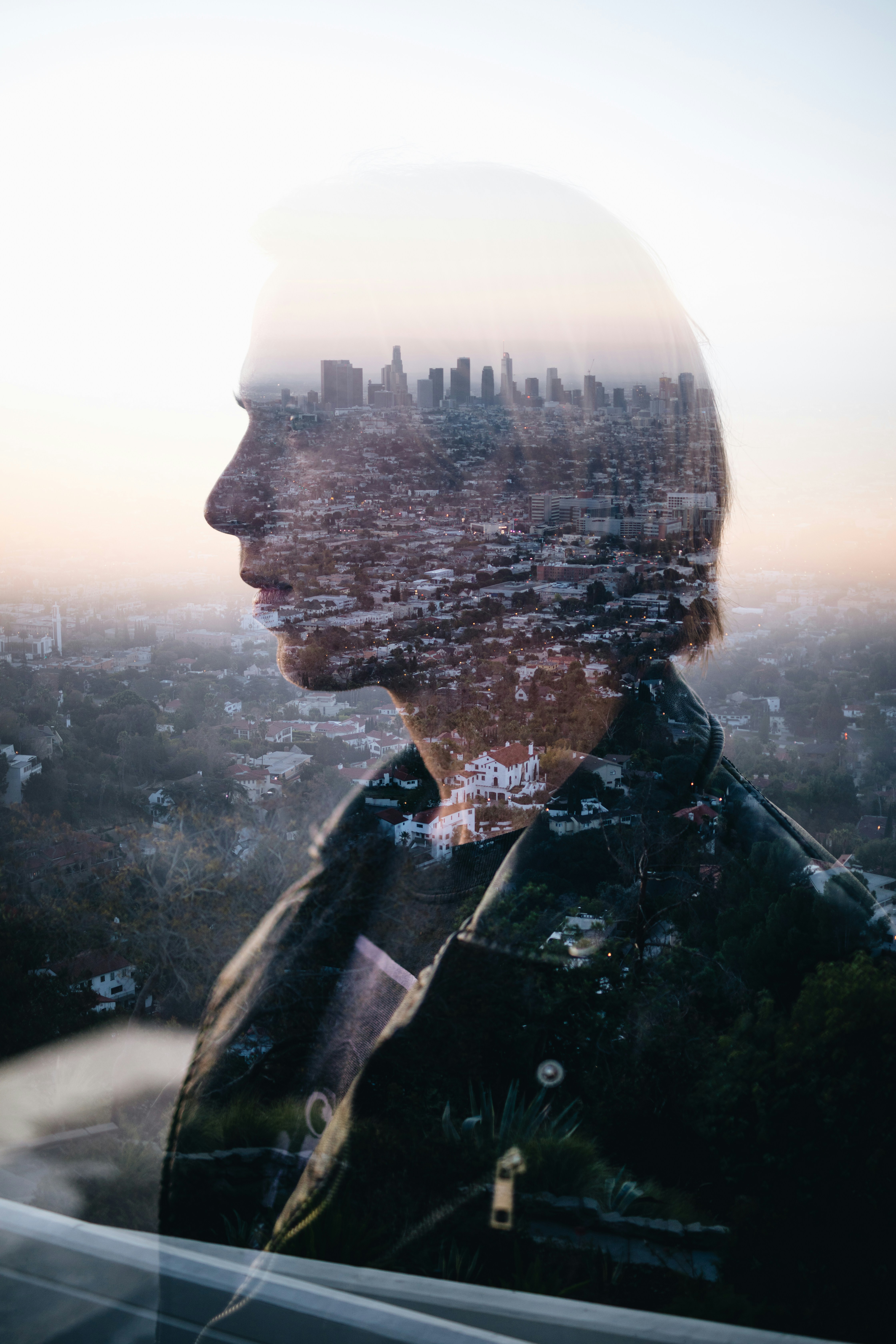
Let me first tell you what I mean by ‘a break’ here. A break is the state where you pause yourself enough to just exist in the real world for a long period of time. During this period, you give yourself the time to think, either just pondering or writing. It is an active process, not a passive one. You are still eating, doing some chores, and maybe some work too (which you can’t completely withdraw from). [One more thing you can actively practice during this period is detachment]
Well, I can’t tell you why you should take a break. What I can tell is what happens when you take a break based on my experience.
The world doesn’t stop.
Let’s just break this down at the beginning of the essay. The world is not going to pause for you to take a break. It is going to keep running. You will still have some work to do, you will still have to eat, and you will still have some deadlines you cannot delay. [If you are lucky enough to get some holidays, then it’s a different case. But still, many things would have changed until you come back.]
In short, the world doesn’t stop.
I am not suggesting you should never take a break. I am just breaking it up so that you are not caught off guard once you do.
How can you cope with it? Well, fortunately, you don’t have to. You can take a break while doing some of the bare minimum. You can do some work without much effort (nowadays, it is very easy with AI). You can pace your work to finish it asap and not take on any further projects. You can order your meals for a few days at a time. There are a lot of options.
Our society has evolved a lot [the fast-paced world is one reason]. It has become very convenient for us to do complex tasks today (there might be a few exceptions).
Things settle down
We are very dynamic animals. One, we have our own jobs, projects, or studies to finish. Two: we have our hobbies/second jobs/side quests. Three, we are social animals, which means we have so many people around us with whom we share our daily lives. And today, connectivity through social media and the internet has given us the power to even connect with people thousands of miles away.
Our brain is the only organ that operates our bodies and, at the same time, is involved in all the above-mentioned activities. So, like we all must have experienced, sometimes it can get a lot to take in.
But when you consciously take a break,
Things fall into place. When you give yourself the time to think about your life, everything boils down [it will not if you don’t allow yourself to think about your life]. You will eventually finish your project. You will make time for your hobbies and friends. And in the meantime, you get to trace your thoughts, simplify them, and reflect on your experiences.
Well, how does this help you ask? It will clear your mind and perspective. In our day-to-day lives, we have many experiences and thoughts; some we learn to respond to, and others we don’t, and just neglect. These experiences can turn into trauma if not dealt with. By consciously reflecting on these traumas, you convert them back into experiences. This also helps you figure out some of your likes and dislikes.
Noticing
As I mentioned earlier, we live a very dynamic life. We get many thoughts, and when we don’t deal with our thoughts/experiences, they become trauma for us. Once you reflect on your traumas, they become ordinary experiences.
Now that you don’t have much to ponder upon, you bring yourself to the present, and it feels… weird. Why? We carry many filters (good/bad) in our lives. Some of them we acquire from our parents and friends, and some from movies, books, and social media. For example: confirmation bias.
Let me clarify: I don’t mean that not all filters are bad. Some are important because it is completely exhausting to judge every situation objectively. But it is important to form your own filters.
When you give yourself a break and reflect upon your experiences/traumas, you realize the filters you were using. Sometimes, you will agree with them, and sometimes you will have to reject them [it could be due to various reasons, for example, maybe that filter is not allowing you to convert that trauma into experience].
This results in the unlearning cycle.
So, now when you are being-in-the-present, and you come across the same situation, you feel a bit lost. You have recently unlearned a few things, so you need time to relearn how to respond to the experience.
[Another relevant phenomenon that occurs when you take a break and go out in nature: Over the vast magnificence of nature, your problems feel small and insignificant. It doesn’t remain a problem in your mind.]
While you are in this process, you also get better at ‘noticing’. What do you notice? You get to notice the emotions you are experiencing in the present, whether you are working, eating, or with friends. You also notice the people: their actions, their non-verbal communications, the motives behind their actions and words. You notice yourself as a person, how you are acting in a situation. You will stop worrying about the insignificant things and care about the significant ones.
What changes?
Well, mainly you do. The people around you might be the same; you might just start treating them differently. The work might be the same; you either appreciate it more or just learn to give it no brain. Your hobbies could converge, decrease, or increase in number.
It’s all up to you. A break will just help you gain a fresh perspective on them.